


In the world of makeup, few products are as transformative as a high-quality full coverage foundation. Whether you are looking to conceal hyperpigmentation, acne scars, redness, or simply desire a perfectly uniform canvas for special occasions, finding the right formula is essential. Unlike light or medium coverage options, full coverage foundations are designed to provide maximum opacity with a single layer, effectively acting as a “second skin” that hides imperfections while enhancing your natural features.
However, the misconception that full coverage equals a heavy, cakey mask is outdated. Modern formulations have evolved significantly, offering breathable textures that maintain skin health while delivering impeccable results. This guide will walk you through everything you need to know about selecting, applying, and maintaining a full coverage base that looks natural and feels comfortable.

Why Choose Full Coverage?
While “no-makeup” makeup looks are trending, there is an enduring demand for high-impact coverage. Here is why a full coverage foundation remains a staple in many beauty kits:
- Maximum Concealment: It effectively covers dark spots, birthmarks, tattoos, and severe acne without requiring excessive layers of separate concealer.
- Longevity: These formulas are typically designed to be long-wearing, transfer-resistant, and sweat-proof, making them ideal for long days, photography, or events.
- Versatility: A good full coverage foundation can be sheered out with a damp sponge for a medium finish or built up for total opacity, giving you two products in one.
- Photographic Perfection: For professional photography or video, full coverage foundations prevent shine and ensure skin texture looks smooth and even under harsh lighting.
Choosing the Right Formula for Your Skin Type
The key to making full coverage look natural lies in matching the formula to your specific skin needs.
1. For Oily and Combination Skin
Look for matte or semi-matte finishes labeled as “oil-free” or “non-comedogenic.” Liquid-to-powder formulas or clay-based foundations are excellent choices as they absorb excess sebum throughout the day. Ingredients like silica and kaolin clay help control shine without clogging pores. Avoid overly dewy formulas, as they can slide off oily zones and emphasize texture.
2. For Dry and Mature Skin
Hydration is paramount. Seek out hydrating or luminous full coverage foundations infused with skincare ingredients like hyaluronic acid, glycerin, squalane, or ceramides. Cream-based stick foundations or serum foundations often provide high pigment without settling into fine lines or emphasizing dry patches. Avoid strictly matte formulas, which can make dry skin look flaky or aged.
3. For Sensitive or Acne-Prone Skin
Prioritize safety and breathability. Look for mineral-based powder foundations or liquid formulas labeled “hypoallergenic” and “fragrance-free.” Mineral makeup (containing zinc oxide or titanium dioxide) naturally sits on top of the skin rather than absorbing into it, reducing the risk of irritation. Salicylic acid-infused foundations can also help treat breakouts while covering them.
Application Techniques for a Natural Finish
Applying full coverage requires a strategic approach to avoid the “mask effect.”
- Prep is Key: Never apply heavy foundation to dry or unprimed skin. Use a moisturizer suited to your skin type and allow it to absorb fully. A gripping primer can help the foundation adhere better, while a hydrating primer ensures smoothness.
- Less is More: Start with a small amount—often a pea-sized drop is enough for the whole face. You can always add more where needed. Dot the product onto the center of your face and blend outward.
- Tool Selection Matters:
- Dense Buffing Brush: Best for polishing the product into the skin for a seamless, airbrushed finish.
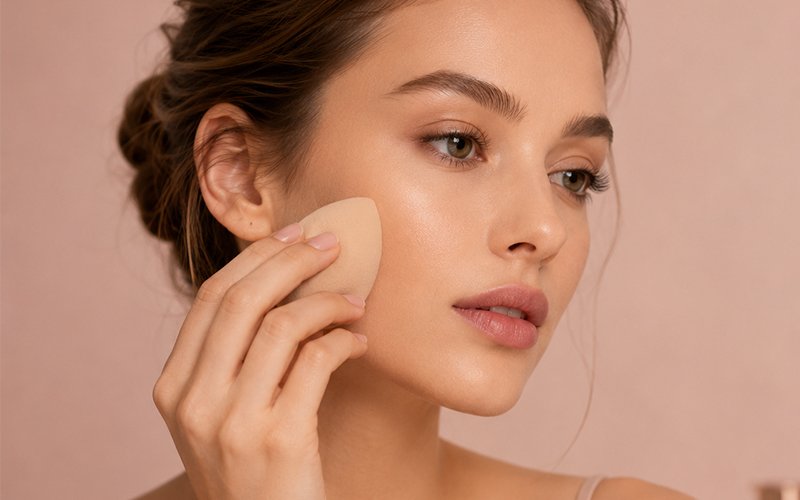
- Damp Beauty Sponge: Ideal for pressing the product into the skin, removing excess product, and creating a more skin-like, natural texture.
- Fingers: The warmth of your fingers can melt cream products into the skin, but be careful not to wipe the product away.
- Strategic Concealing: Instead of layering foundation heavily over dark circles or blemishes, use a lighter layer of foundation overall and spot-conceal only where necessary. This preserves skin texture and prevents cakiness.
Setting Your Base for All-Day Wear
Full coverage foundation requires proper setting to lock it in place and prevent transfer.
- Powder Setting: Use a translucent setting powder to mattify and lock the base. Press the powder into the skin with a puff or dense brush rather than sweeping it, which can disturb the foundation underneath. Focus on the T-zone and areas prone to creasing.
- Setting Sprays: Finish with a setting spray to melt the powders into the liquids, creating a cohesive, skin-like finish. This step also helps extend the wear time significantly.
Removal and Skin Health
Because full coverage foundations are designed to stay put, they require thorough removal. Double cleansing is highly recommended: start with an oil-based cleanser or balm to break down the makeup, followed by a water-based cleanser to clean the skin. This ensures no residue is left behind to clog pores or cause breakouts.
By understanding your skin type and mastering the application technique, full coverage foundation can be a powerful tool in your beauty arsenal—providing confidence and a flawless canvas whenever you need it.