

A lip liner can look almost identical to your lipstick on your hand, yet leave a noticeable outline once you apply both. Another pencil might blend beautifully with bare lips but disappear beneath a bold red. Which match should you choose?
Match your natural lip color for subtle definition, your lipstick for a seamless edge, or a deeper coordinating shade for deliberate contrast. The best choice depends on the look you want, alongside the depth, undertone, and coverage of the products you use.
1. Choose Your Lip Liner Match by the Look You Want
Before comparing shade names, decide what the liner should do. Do you want the outline to disappear into your lips, merge with your lipstick, or remain visible as part of a gradient? These goals call for different kinds of matching. Revlon’s lip liner guide similarly distinguishes natural definition, bold color, and deeper contouring shades.
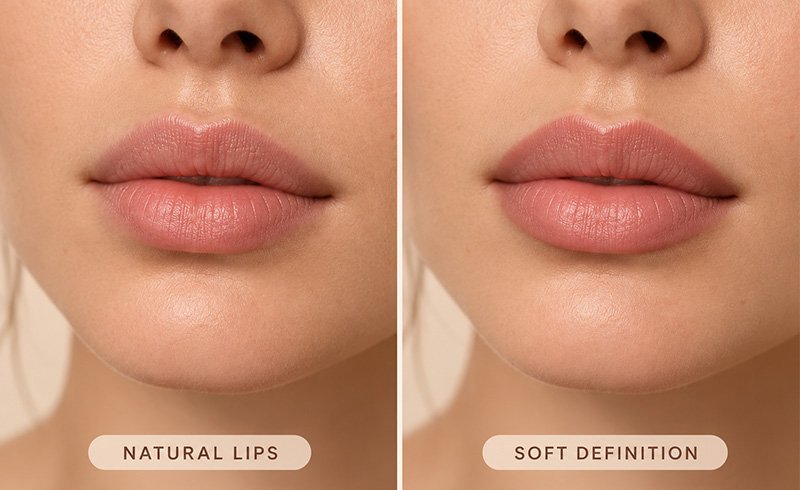
2. Match Your Natural Lip Color for Subtle Definition
Choose a liner close to the natural color of your lips when you want to refine their shape without creating a distinct border. This approach is useful with clear gloss, sheer lip color, or a minimal makeup look.
“Natural lip color” means the color of your lips, rather than the surrounding facial skin. Look for a shade that blends into the area you want to define. A pencil labeled “nude” is only a candidate: its name does not tell you whether it will be discreet on your lips.
For example, a muted rose-brown might blend into one person’s lip border while looking noticeably pink on another. The useful question is whether the applied line creates the amount of definition you intended.
3. Match Your Lipstick for a Seamless Edge
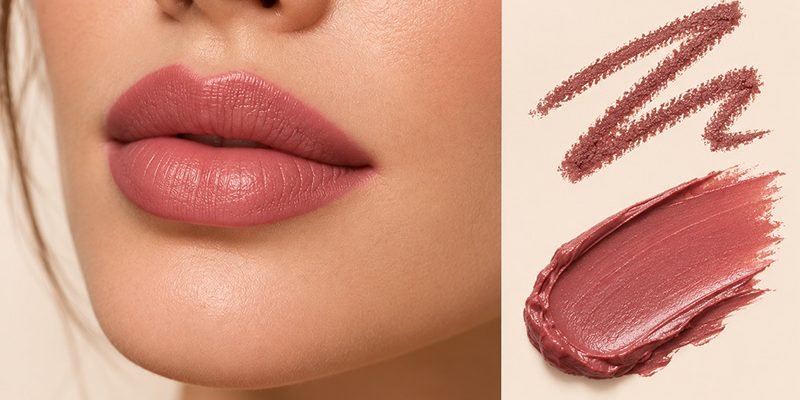
Choose a liner close to your lipstick when you want a continuous color from the border to the center. This is a practical starting point for red, berry, plum, and other prominent lip colors.
Compare the liner with the lipstick as you actually wear it. A lipstick applied in a thin, blotted layer may look different from the same shade built to fuller coverage. The matching pencil should work with that finished effect, rather than only with the color of the bullet.
An exact shade-name match is unnecessary. Two products with different names may coordinate well, while two called “rose” may differ noticeably in warmth or depth.
4. Choose a Deeper Coordinating Shade for Dimension
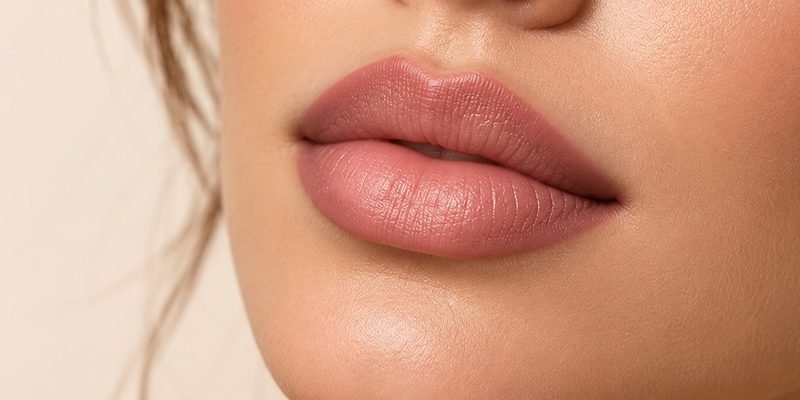
A deeper liner is useful when you want the outline to contribute to the look. Blend it inward and pair it with a lighter center for a gradual transition. NYX’s lip liner tutorial describes darker-liner combinations and recommends a related color family and undertone for a cohesive ombré effect.
The amount of contrast is a style choice. Start with a modest difference if you want soft definition, then adjust after seeing the combination on your lips. “One shade darker” is a shopping suggestion, not a standardized measurement across brands.
| Desired result | Useful starting point | What to check |
|---|---|---|
| Subtle definition | Liner close to natural lip color | Does it blend into your lip border? |
| Seamless lipstick | Liner close to the applied lipstick | Do the edge and center read as one color? |
| Dimension or ombré | Deeper coordinating liner | Does the transition look intentional and blended? |
Your choice of lip gloss, lipstick, or liquid lipstick also changes the combination you need to evaluate.
5. Look Beyond “Nude”: Depth, Undertone, and Coverage
“Nude” describes a broad shade category, not one universal match. To narrow your options, separate how light or dark a color is from the kind of color it contains, then consider how much of your natural lip color remains visible.
Compare Depth and Undertone Separately
Depth describes lightness or darkness. Undertone describes the underlying color direction: a brown might lean rosy, peachy, golden, or relatively neutral. Two pencils can be equally dark yet create different effects beside the same lipstick.
Imagine pairing a muted mauve lipstick with two medium-brown liners. A rosy brown may produce a quieter transition, while an orange-brown may create a more noticeable color contrast. Neither combination is automatically wrong; the result should fit your intended look.
When a liner seems too obvious, identify the difference before replacing it. Is it darker than you wanted, or does its color lean in a different direction? Changing depth alone will not necessarily solve an undertone mismatch.
Account for Natural Lip Pigmentation and Product Coverage
With sheer products, compare the whole combination on your lips because your natural lip color remains part of the visible result. With more opaque lipstick, pay particular attention to the transition between the pencil and the applied lip color.
If your upper and lower lips differ in color, decide what you want to preserve or adjust. For gentle definition, compare the pencil with the border where you will use it. For a more uniform lipstick look, assess both lips after applying the intended coverage. There is no need to force every natural variation into a single reference shade.
When choosing the lipstick itself, consider its finish and coverage alongside color. Doriff’s guide to selecting a matte lipstick shade and formula provides related background.
6. How to Test a Lip Liner and Lipstick Together
A useful comparison checks the products as a pair. The following is a practical selection process, rather than a standardized performance test.
- Define the result first. Decide whether you want an unobtrusive border, a continuous lipstick color, or visible contrast. This gives you a clear basis for judging the combination.
- Compare side-by-side swatches. Apply the pencil beside the lipstick to screen for obvious differences in depth and undertone. Use a lipstick swatch that resembles your usual application, rather than comparing a heavy swatch with a sheer look.
- Check the combination on your lips when hygienic testing is possible. Use your own products or appropriately prepared samples. Apply the liner with your usual pressure and width, then add the lip color. A hand swatch is an initial filter, not a complete prediction.
- Look closely, then step back. In indirect daylight, inspect the border and inward blend, then view your whole face. A line that looks distinct in a close-up may create the definition you wanted at a normal viewing distance.
- Recheck after the products settle. Follow the products’ directions where relevant. Check whether the textures blend as intended and whether the edge still suits the center; no single waiting time applies to every formula.
If the result feels wrong, change one variable at a time. Try a narrower line before changing the shade, or compare a different undertone while keeping a similar depth. This makes it easier to understand what improved the pairing.
7. Why a Lip Liner Match Can Still Look Wrong
A noticeable border does not always mean the shade is unsuitable. Application width, blending, coverage, and the way the products wear can all affect how the combination looks.
If you see a dark ring, check whether the line is wider or sharper than intended. For a softer transition, blend the inner edge toward the center while keeping the outer boundary as defined as you prefer. Charlotte Tilbury’s application guide distinguishes a defined outline from a softer blend inside it.
If two “nude” products clash, return to depth and undertone rather than buying another shade with the same label. A similar name cannot resolve a visible color difference.
Changing from lipstick to clear gloss can also make a familiar liner appear more prominent. The gloss leaves the contrast between the pencil and your natural lips more visible. Reassess that combination as its own look instead of expecting it to resemble the lipstick pairing.
Finally, inspect the result during wear. If the center fades while the outline remains, the initial color match and the products’ wear behavior are separate issues. Filling in more of the lip with liner is one option to try, but it can also change the finished color and feel. Check how the combination looks and feels during wear; filling in the lips with liner does not guarantee longer wear or more even fading.
8. For Beauty Brands: Build Lip Kits Around the Intended Result
For a brand developing a lip kit, “matching shades” needs a clearer brief than two similar swatches. Specify what the wearer should see and how the products should work together.
Define Whether the Pair Should Blend or Contrast
A seamless-color kit and a contour-style kit require different relationships between the liner and the central lip color. Describe the intended result before selecting samples: a discreet border beneath sheer gloss, a continuous bold lip, or a deeper outline with a lighter center.
Also define the range of natural lip colors the kit is intended to serve. A combination that looks subtle on one wearer may create stronger contrast on another. Naming the target effect makes sample feedback more useful than simply asking whether the colors “match.”
Evaluate the Finished Pair, Not Just Separate Swatches
As a development recommendation, compare each component alone, then assess the intended combination. Record the application amount, blendability, visible transition, and appearance after ordinary wear. Include the intended range of natural lip pigmentation where feasible.
Review photographs alongside direct observation, using consistent lighting for comparisons. Record whether any concern relates to color, texture, application, or fading so that a shade adjustment is not used to address a different problem.
Doriff’s public catalog includes a lip gloss and lip liner set, and its custom formulation page describes color-development services. These are relevant starting points for a project discussion; the specific shade pairing and performance requirements should be agreed and evaluated for the proposed products.
9. Frequently Asked Questions
Can One Nude Lip Liner Work With Every Lipstick?
One nude liner may work with several lip colors, especially when you want a consistent natural outline. It will not necessarily disappear beside every red, plum, pale pink, or sheer gloss. Judge versatility against the lip colors you actually wear rather than expecting one pencil to create every effect.
Do Lip Liner and Lipstick Need to Be From the Same Brand?
No. Brand matching is not a requirement for a coordinated appearance. Compare the applied colors and check how the textures blend and wear together. A same-brand pairing may be a convenient starting point, but the combination still needs to suit your preferences.
Is Clear Lip Liner a Substitute for a Color Match?
It can be an option when you want to avoid adding a colored outline, but it cannot create the same shading or color correction as a pigmented pencil. Beverly Hills MD’s guide includes colorless liner among the available choices. Any claimed feathering control depends on the specific product and should be checked separately.
10. Choose the Result First, Then the Shade
Choose a liner close to your natural lips for subtle definition, close to your lipstick for a continuous edge, or deeper for an intentional gradient. Then compare depth, undertone, coverage, and the finished combination.
Start with a lipstick you use often and test the candidate liner beside it and on your lips when possible. A useful match is one that produces your intended result.
For beauty brands planning a coordinated lip kit, discuss the target look and sample requirements with Doriff through its custom formulation service.