

You want a little color, comfortable lips, and perhaps some shine—but lip oil, lip gloss, and tinted lip balm can look surprisingly similar on the shelf. Which one belongs in your routine?
If you prefer a fluid, slippery feel, start by comparing lip oils; for shine and a range of color effects, explore lip glosses; for color in a balm-style formula, consider tinted lip balms. These are useful starting points, rather than guarantees. Modern formulas overlap, so the best choice depends on how a particular product looks, feels, and wears on your lips.
1. Lip Oil, Lip Gloss, and Tinted Lip Balm at a Glance
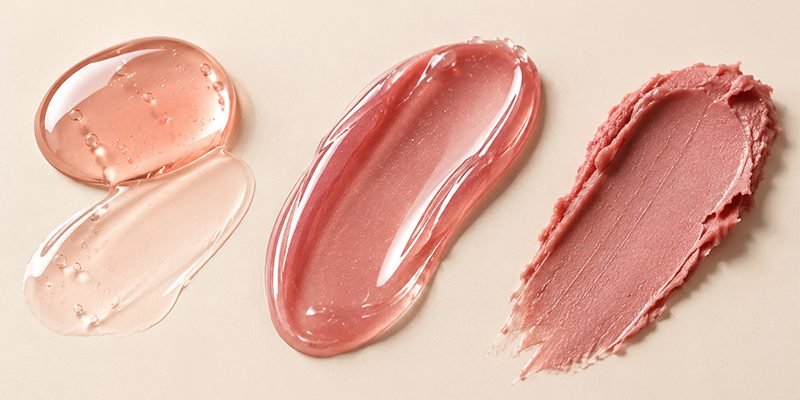
The main difference is usually the experience each product is designed to offer. Lip oils commonly emphasize glide and shine, glosses focus on a reflective finish, and tinted balms combine a balm format or feel with color. None of these descriptions establishes which product will be more comfortable or more moisturizing for you.
Use the table below to narrow your options. It describes common characteristics, not fixed formulation standards.
| Feature | Lip Oil | Lip Gloss | Tinted Lip Balm |
|---|---|---|---|
| Common positioning | Shine with an oil-like, conditioning feel | Reflective shine with different color and visual effects | Lip conditioning with added color |
| Texture and application | Often fluid and slippery; some formulas feel thicker or more cushioned | Can feel fluid, gel-like, plush, or comparatively thick | Often creamy or waxy; available in sticks, pots, and squeeze tubes |
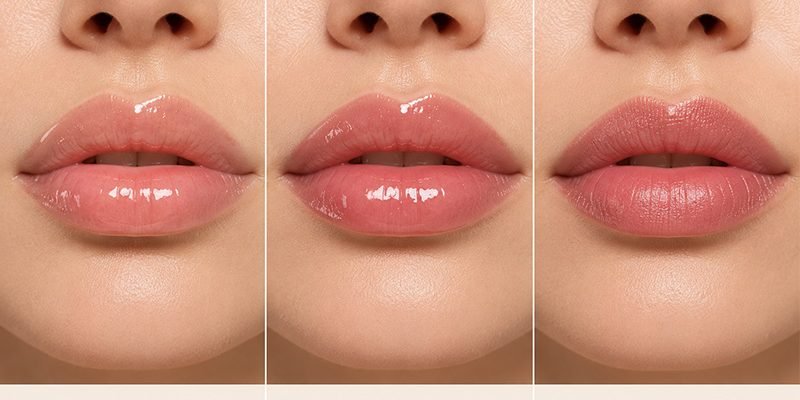
| Finish | Commonly glossy | Glossy, from a soft sheen to a highly reflective finish; shimmer is optional | Can range from a subtle sheen to a glossy finish; some formulas are matte |
| Color and coverage | Frequently sheer or translucent, although color payoff varies | Clear, sheer, or more visibly pigmented options | Often sheer or buildable, depending on the formula |
| Tack and weight | Not automatically free of tack; compare the individual formula | Not necessarily sticky or heavy | Not necessarily lightweight; waxy, rich, or glossy textures feel different |
| Application and touch-ups | Often applied with a wand; check how much product the applicator deposits | Commonly applied with a wand or tube; useful alone or as a topper | Application depends on the package; check color accuracy and ease of reapplication |
Packaging can help you understand how a product is applied, but it does not settle the category. A shiny stick can be a tinted balm, and a squeeze-tube balm can feel closer to a gloss than to a traditional waxy stick.
2. Why These Categories Overlap More Than You Might Expect
Product names describe a positioning and an expected experience, but they do not tell you everything about the formula. That is why two products called “lip oil” can feel noticeably different, while a lip oil and a gloss can feel quite similar.
Oils, Waxes, and Gelling Ingredients Can Appear Across Categories
A lip product’s base does several jobs: it carries color, affects how the product spreads, and helps determine whether it flows, cushions the lips, or holds its shape. Oils and other emollient ingredients contribute to the feel of that base, while waxes and gelling ingredients can help build structure. The balance matters more than the presence of one recognizable ingredient.
A product called lip oil is therefore not necessarily a bottle of pure plant oil. Likewise, finding oils in a balm does not make it a liquid lip oil. As a concrete example, Clarins describes its Lip Oil Balm as an oil-in-stick product, and its published ingredient list includes oils, shea butter, and sunflower seed wax. This illustrates how a balm can combine an oil-rich concept with a solid format; it does not establish that the product performs better than other categories.
Hybrid formats also appear in NYX’s comparison of lip balm and lip oil, which discusses squeeze-tube balms and tinted oil balms. These examples are a reason to look beyond the package and category name when choosing a product.
Shine, Slip, Tack, and Moisturizing Performance Are Different Qualities
Shine describes appearance: how reflective the product looks on the lips. Slip describes how easily it moves during application. Tack is the sticky or gripping sensation you notice when your lips touch and separate. You can like one of these qualities while disliking another.
For example, a product might glide easily when first applied but feel more adhesive when you press your lips together. Another might look very glossy without feeling especially thick. Neither observation, by itself, tells you how long the product improves lip hydration.
A glossy appearance or a comfortable first application does not prove a long-lasting moisturizing benefit. When a brand makes a specific claim about hydration duration or another measured effect, look for evidence for that finished product. A familiar oil, butter, or other highlighted ingredient cannot establish the performance of the whole formula on its own.
3. How to Choose for Your Everyday Lip Routine
Begin with the result you want to see, then check whether you enjoy wearing the product. This is more useful than deciding that one category must be best before you try it.
Start with Your Preferred Finish and Color Coverage
Finish and coverage answer different questions. Finish describes whether your lips look softly luminous, glassy, or matte. Coverage describes how much of your natural lip color remains visible through the product.
If you want your own lip color to show through, start by comparing sheer oils, glosses, and tinted balms. If you want to change the visible color more strongly, look for a product with greater coverage rather than assuming that a darker-looking tube will deliver it.
Imagine a translucent rose shade applied to two people: one has pale pink lips, while the other has deeper, more pigmented lips. The same product can produce different visible results because it allows the underlying lip color to remain part of the finished shade. This is also why a hand swatch cannot fully predict the result on your lips.
When possible, compare your options under similar lighting and at the amount you would normally wear. Adding several coats to make a sheer formula more visible may also change its thickness and comfort.
Compare Comfort, Tack, and Touch-Ups
A useful wear check does not require a complicated scoring system. Apply a modest amount to clean lips, avoiding another lip product underneath if your aim is to understand the formula on its own. Then notice what happens during ordinary use.
Press your lips together gently and separate them. Is there a gripping sensation you dislike, or does the product feel comfortable? Look at the edges and corners of your mouth for uneven buildup, and check whether the color spreads evenly without repeated passes.
Later, observe what remains after your usual drink or other normal activity. Has the shine faded evenly? Is color left around the edges? Can you reapply smoothly, or does another coat feel too thick? These observations help you judge convenience and personal preference; they are not a controlled test of hydration or wear claims.
Also pay attention to how much the applicator delivers. A generous wand or a very soft stick can deposit more than you need, making a formula feel heavier than it does in a thinner layer.
Consider Whether You Will Wear It Alone or Over Other Lip Products
For standalone wear, prioritize the product’s own color, finish, and comfort. For layering, consider what happens to the product underneath as well.
A glossy topper may soften a sharply drawn lip edge or move some underlying color as you spread it. This does not mean the combination is unusable, but it may change the look you were trying to create. Try a small amount first and check whether the original color remains even.
If you wear lip liner with a sheer oil, gloss, or balm, decide whether you want a visible outline or a blended transition. Check the combination after pressing your lips together, because the finished result matters more than how the products look separately.
e.l.f.’s lip oil guide includes lip liner and satin lipstick combinations, illustrating that lip oil can be used as part of a makeup look. Compatibility still depends on the products and amounts involved; layering does not automatically improve wear time.
| Your priority | A useful starting point | What to check when trying it |
|---|---|---|
| A fluid, glossy feel with translucent color | A sheer lip oil | Whether you enjoy the slip, tack, and amount deposited |
| Noticeable shine with more choice in color or shimmer | A lip gloss | Coverage, edge buildup, and whether the finish suits your routine |
| Daily conditioning with a hint of color | A tinted lip balm | The actual finish, ease of application, and feel after reapplying |
| A shiny layer over another lip product | A compatible oil, gloss, or glossy balm | Whether it moves the base color or changes the lip outline |
| Fewer products in your bag | One formula that meets your main needs | Whether it works well alone and is easy to touch up |
4. For Beauty Brands: Turn the Comparison into a Clear Product Brief
For a beauty brand, choosing a category is only the beginning. “We want a lip oil” communicates less than a description of the finish, application, color, and wearing experience you want customers to receive.
Define the Experience Before Choosing the Category Name
Start by identifying the intended routine. Is the product a sheer everyday lip color, a high-shine makeup topper, or a tinted conditioning stick? Each direction creates different expectations, even when the formulas share ingredients.
Turn broad words into observable requirements. Instead of asking only for “comfortable and non-sticky,” describe whether you want a fluid or cushioned texture, how much grip is acceptable when the lips separate, and whether the product should leave a thin or more substantial layer.
Color needs similar clarity. A sheer tint that enhances natural lip color is a different brief from a product intended to cover it. Reference shades should therefore be assessed at the intended application amount and on lips with different natural pigmentation.
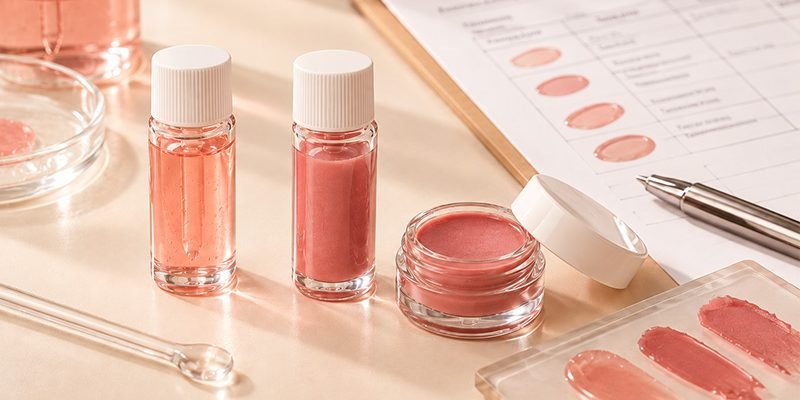
Include packaging in the discussion from the start. The wand, tube opening, or stick mechanism affects how users pick up and apply the product. A formula that looks appealing in a sample container still needs evaluation in the proposed final package.
For brands developing a custom lip formula, this kind of brief makes conversations about texture, color, and packaging more specific.
Evaluate Samples and Request Evidence for Claims
Keep sample observations separate from performance claims that need testing. A team can compare perceived tack or color payoff during a structured trial, but an immediate preference assessment cannot establish a claim such as all-day hydration.
The following is a planning checklist for sample evaluation, rather than a report of completed testing.
| Evaluation area | What to record or request |
|---|---|
| Appearance and color | Shade, transparency, coverage, shine, and evenness at a defined application amount |
| Application and feel | Glide, drag, perceived tack, thickness, and the experience of reapplication |
| Applicator and package | Pickup amount, wiping or dispensing behavior, closure, and ease of use |
| Wear observations | Changes in shine and color under the agreed evaluation conditions |
| Specific performance claims | The test method, participants or test system, duration, endpoints, and relevance to the finished formula |
| Stability and compatibility | The proposed testing scope, conditions, acceptance criteria, and assessment in the intended package |
For a claim supported by a study, ask what was actually measured. A consumer questionnaire about comfort and an instrumental measurement of hydration answer different questions. The wording used on packaging should match the evidence available for the product.
Sample feedback should also be traceable. Record the sample version, shade, package, and evaluation conditions so that “less tacky” or “more color” refers to a specific comparison. This makes revisions easier to assess and reduces the chance that different team members are judging different versions.
5. Frequently Asked Questions
Does Tinted Lip Balm Leave a Stain?
Not necessarily. “Tinted” means the balm adds color; it does not promise that color will remain after the product layer has worn away. If a lingering stain matters to you, check the individual product description and observe its wear rather than treating all tinted balms as lip stains.
Can Any of These Replace Lipstick?
Yes, if the formula provides the color and finish you want. A sheer balm or oil may be enough for a subtle look, while someone seeking greater coverage or a sharply defined finish may prefer lipstick. For a broader comparison, see lip gloss vs. lipstick vs. liquid lipstick.
Do You Need All Three?
No. One product may cover your everyday needs, especially when its formula combines color, shine, and a feel you enjoy. Add another category only if it offers a useful difference—for example, a subtler finish for one setting and a reflective topper for another.
6. Choose the Formula That Fits Your Priorities
Lip oil, lip gloss, and tinted lip balm are useful starting points for shopping, but the name alone cannot tell you which product will suit you best. Begin with your two main priorities—perhaps sheer color and low tack, or noticeable shine and easy touch-ups—and compare individual formulas against them.
For beauty brands, the same approach creates a clearer development direction. Define the intended experience, compare samples in the proposed packaging, and support specific claims with appropriate evidence. If you are planning a lip collection, you can share your target finish, color coverage, and packaging preferences with Doriff’s custom formulation team to begin a more focused product discussion.